Sleep Apnea Treatment in Salt Lake City: Can a Dental Oral Appliance Help?
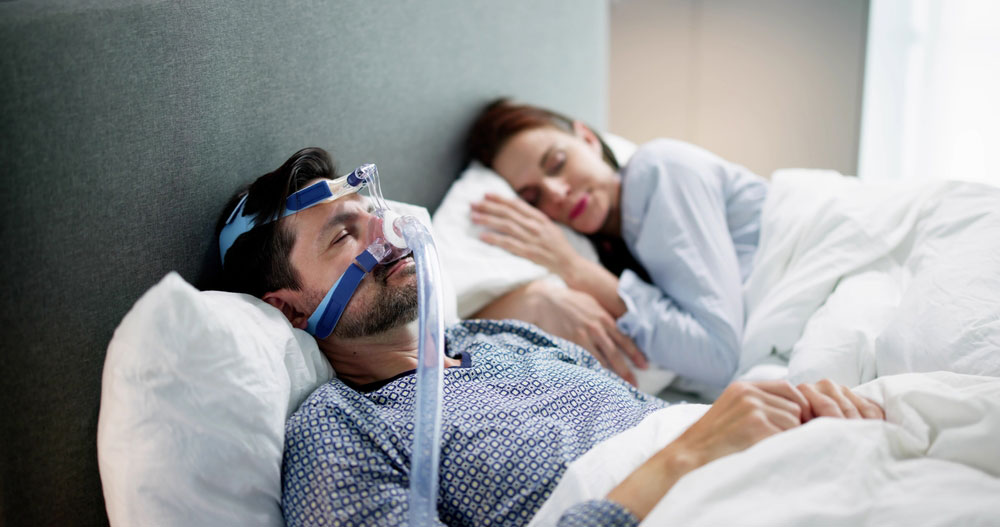

Do you sleep for seven or eight hours but still wake up feeling as though you barely rested? Loud snoring, repeated nighttime waking, morning headaches, dry mouth, and daytime fatigue can sometimes be signs that your sleep quality deserves a closer look. For people diagnosed with obstructive sleep apnea, sleep apnea treatment in Salt Lake City may include a custom dental oral appliance designed to help keep the airway more open during sleep.
At Velux Dental, dental sleep apnea treatment focuses on oral appliance therapy for appropriate patients. Although a dentist does not replace the medical professional responsible for diagnosing a sleep disorder, dental care can play an important role in treating certain cases after the condition has been properly evaluated.
What Is Obstructive Sleep Apnea?
Obstructive sleep apnea is a sleep-related breathing disorder. During sleep, the muscles and soft tissues surrounding the airway relax. In someone with obstructive sleep apnea, the airway can become repeatedly narrowed or blocked.
As a result, breathing may pause or become restricted throughout the night. The brain responds by briefly waking the body enough to restore breathing. These interruptions may happen without the person remembering them in the morning.
However, repeated disruptions can prevent the body from moving smoothly through healthy sleep cycles. Therefore, someone may technically spend many hours in bed while still receiving poor-quality rest.
Snoring and Sleep Apnea Are Not the Same Thing
Snoring is common, but snoring alone does not automatically mean someone has obstructive sleep apnea. Snoring occurs when tissues vibrate as air moves through a narrowed airway. Sleep apnea involves repeated breathing disturbances during sleep.
Nevertheless, frequent loud snoring can be one reason to discuss your sleep with a healthcare professional, particularly if a partner has noticed pauses in your breathing, gasping, choking sounds, or restless sleep.
Other possible warning signs can include:
- Persistent daytime sleepiness
- Difficulty concentrating
- Morning headaches
- Dry mouth upon waking
- Waking frequently during the night
- Feeling unrefreshed despite spending enough time in bed
- Irritability or changes in mood
- Gasping or choking during sleep
Because several health conditions can produce similar symptoms, proper evaluation is important rather than attempting to diagnose sleep apnea based on snoring alone.
How Can a Dentist Help With Sleep Apnea?
Dentists understand the structure of the mouth, jaw, tongue, and surrounding tissues. Consequently, dentistry can play an important role in oral appliance therapy for certain patients with obstructive sleep apnea.
A sleep apnea oral appliance is worn during sleep. Many appliances work by gently positioning the lower jaw in a way that helps create more room for airflow. The exact design depends on the appliance and your individual anatomy.
Unlike a generic mouthguard purchased at a store, a dental sleep appliance is customized for the patient. The dentist evaluates the teeth, bite, jaw relationships, and oral health before creating and fitting the appliance.
Who May Be a Candidate for Oral Appliance Therapy?
Sleep apnea treatment in Salt Lake City should be personalized because no single treatment is appropriate for every patient. Oral appliances are commonly discussed for certain people with obstructive sleep apnea, especially when a qualified healthcare provider has already diagnosed the condition.
Factors that may be considered include the severity and type of sleep apnea, the condition of your teeth and gums, your jaw health, other medical conditions, and whether another form of treatment has been recommended or attempted.
Some patients explore an oral appliance because they want a compact treatment option. Others may have difficulty tolerating another therapy. However, treatment decisions should be made in coordination with the healthcare professionals involved in your sleep care.
Benefits of Sleep Apnea Treatment With an Oral Appliance
When a custom oral appliance is appropriate, sleep apnea treatment can offer several practical advantages:
- Compact design: An oral appliance is small and generally easy to transport.
- No mask or external tubing: The appliance fits inside the mouth while you sleep.
- Custom fit: Dental impressions or digital records can be used to create an appliance for your bite.
- Non-surgical approach: Oral appliance therapy does not require a surgical procedure.
- Potential improvement in snoring: Keeping the airway more open can reduce snoring for some patients.
- Convenient nightly use: Once fitted and adjusted, the appliance becomes part of the bedtime routine.
- Professional monitoring: Dental follow-up allows the fit, bite, comfort, and condition of the appliance to be checked over time.
The goal is not simply quieter sleep. Instead, appropriate sleep apnea treatment in Salt Lake City should support healthier breathing and better-quality sleep based on your diagnosis and individual needs.
What Happens During a Dental Sleep Apnea Consultation?
Your visit begins with a review of your health history, dental history, sleep concerns, and any existing sleep apnea diagnosis. Bring information about previous sleep testing and current therapies if available.
The dentist will also evaluate your mouth. Healthy teeth and gums matter because the appliance typically uses the teeth for support. Your bite and jaw movement may also be evaluated to determine whether oral appliance therapy is practical.
If active dental disease is present, your dentist may recommend addressing it before an appliance is fabricated. For instance, untreated decay, unstable teeth, or significant gum problems may influence how treatment is planned.
This is one reason routine dental checkups remain valuable even when your primary concern is related to sleep.
What Is It Like to Wear a Sleep Apnea Oral Appliance?
Getting used to any new oral appliance can take a little time. Initially, you may notice that your mouth produces more saliva, the appliance feels unusual, or your jaw feels different in the morning.
However, a professionally fitted appliance can be adjusted when necessary. Follow-up visits allow the dentist to evaluate comfort, appliance condition, bite changes, and other concerns.
Do not attempt to make major adjustments to a professional appliance on your own. If something feels uncomfortable, contact the dental office so the appliance can be evaluated correctly.
Additionally, continue following recommendations from the medical professional managing your sleep apnea. An oral appliance should be part of a coordinated treatment plan rather than a reason to discontinue prescribed care without guidance.
Why Untreated Sleep Apnea Deserves Attention
Healthy sleep affects far more than whether you feel tired the next morning. Repeated nighttime breathing disruptions can place stress on the body. Obstructive sleep apnea has been associated with cardiovascular and metabolic concerns, which is why proper diagnosis and ongoing treatment matter.
Daytime sleepiness can also interfere with work, concentration, mood, and daily activities. In addition, severe fatigue can affect alertness while driving or operating equipment.
Therefore, persistent signs of disrupted breathing during sleep should not simply be dismissed as ordinary snoring. A healthcare professional can determine whether testing is appropriate.
What About Teeth Grinding at Night?
Some people with sleep concerns also clench or grind their teeth. Teeth grinding can contribute to worn enamel, chipped teeth, jaw soreness, headaches, and damage to dental restorations.
However, a sleep apnea appliance and a standard nightguard are not necessarily interchangeable. They are designed for different purposes. If you grind your teeth and also have diagnosed obstructive sleep apnea, tell your dentist about both issues so your oral appliance can be planned appropriately.
If grinding has already contributed to cracked or damaged teeth, Velux Dental can also evaluate restorative needs through services such as same-day crowns and bridges.
Caring for a Dental Sleep Appliance
Good maintenance helps keep your appliance clean and functional. Your dentist will provide instructions based on the specific device, but general care often includes cleaning it regularly, allowing it to dry, and storing it safely when it is not being worn.
Bring the appliance to dental follow-up appointments when requested. Your dentist can inspect it for wear, damage, fit concerns, or changes that might affect performance.
Meanwhile, continue brushing and flossing consistently. Because the appliance fits closely around the teeth, maintaining healthy teeth and gums remains especially important.
Can an Oral Appliance Replace CPAP?
This question should be answered individually. Continuous positive airway pressure, commonly called CPAP, is an established treatment for obstructive sleep apnea. An oral appliance may be appropriate for some patients, but it is not automatically a replacement for CPAP in every case.
Your sleep apnea diagnosis, severity, medical history, treatment response, and professional recommendations all influence the decision. Therefore, do not discontinue CPAP or another prescribed therapy without speaking with the healthcare provider managing your sleep condition.
Frequently Asked Questions About Sleep Apnea Treatment
Can a dentist diagnose sleep apnea?
A dentist may recognize signs or risk factors that suggest a sleep evaluation is appropriate, but a medical diagnosis should be established through the appropriate healthcare pathway. Once diagnosed, a dentist can help provide oral appliance therapy when suitable.
Does every person who snores have sleep apnea?
No. Snoring and sleep apnea are not identical. However, loud persistent snoring combined with gasping, breathing pauses, or excessive daytime fatigue is worth discussing with a healthcare professional.
Is a sleep apnea appliance the same as a nightguard?
No. A traditional nightguard is primarily designed to protect teeth from grinding or clenching. A sleep apnea oral appliance is designed to influence jaw positioning and support airway management.
How long does it take to get used to an oral appliance?
Adjustment time varies. Some patients adapt relatively quickly, while others need more time or professional adjustments. Follow-up care is an important part of successful treatment.
Do I still need follow-up care after receiving the appliance?
Yes. Your dentist should monitor your oral health, bite, appliance condition, and comfort. Your medical sleep provider may also recommend follow-up testing or monitoring to evaluate treatment effectiveness.
Explore a More Comfortable Approach to Better Sleep
If you have already been diagnosed with obstructive sleep apnea or have been advised to explore oral appliance therapy, dental treatment may give you another way to manage nighttime breathing. Sleep apnea treatment in Salt Lake City can be customized around your oral health, bite, comfort, and overall treatment plan.
Contact Velux Dental at (801) 797-3363 to Schedule a Consultation at 223 S 700 E #3 in Salt Lake City and learn whether a custom sleep apnea oral appliance may be appropriate for you.