Oral Cancer Screening in Salt Lake City: What Happens During a Routine Screening?
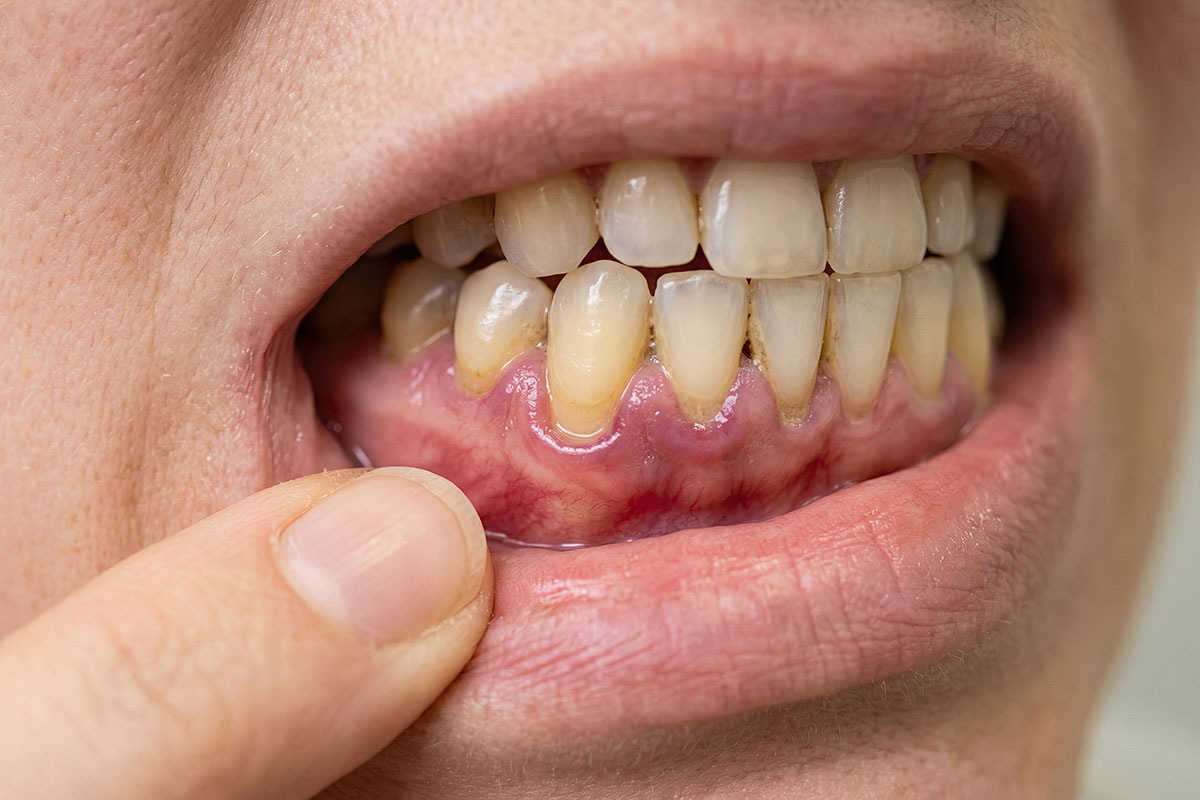

When you visit the dentist for a routine checkup, your teeth are not the only part of your mouth that deserves attention. Your lips, tongue, gums, cheeks, palate, and other oral tissues can also develop changes that should be evaluated. An oral cancer screening in Salt Lake City can be included as part of a comprehensive dental examination to help identify unusual areas that may deserve closer attention.
At Velux Dental, preventive dental care is about looking at the complete picture of your oral health. An oral cancer screening is generally quick and comfortable, yet it gives your dentist an opportunity to notice changes you may not be able to see yourself. Most unusual areas do not automatically mean cancer is present. However, identifying a suspicious change is an important first step toward determining whether additional evaluation is needed.
What Is an Oral Cancer Screening?
An oral cancer screening is an examination of the mouth and surrounding tissues for abnormalities. Your dentist looks for visual or physical changes that appear different from the surrounding healthy tissue.
The screening is not the same as diagnosing oral cancer. A dentist may identify an area that needs to be monitored or evaluated further, but additional testing may be necessary to determine exactly what the tissue change represents.
During routine dental care, this examination can often be completed alongside the evaluation of your teeth and gums. Therefore, you may receive an oral tissue screening without needing a separate appointment.
Because many areas inside the mouth are difficult to inspect in a mirror, professional examination provides another layer of monitoring for changes that might otherwise go unnoticed.
What Areas Does a Dentist Examine?
An oral cancer screening involves more than glancing at the tongue. Your dentist may visually inspect and, when appropriate, gently feel several areas of the mouth and nearby structures.
These can include:
- The lips and surrounding tissues
- The inside surfaces of the cheeks
- The gums
- The roof of the mouth
- The floor of the mouth beneath the tongue
- The top, sides, and underside of the tongue
- The back portion of the mouth and throat that can be seen during examination
- Areas around the jaw and neck when appropriate
The goal is to become familiar with what appears healthy and identify anything that seems unusual in color, texture, shape, size, or consistency.
What Is the Dentist Looking For?
Normal oral tissues can vary considerably from person to person. Therefore, the presence of a spot or color difference does not automatically indicate a serious condition.
During an oral cancer screening in Salt Lake City, your dentist may pay closer attention to changes such as:
- A sore that has not healed as expected
- A persistent red or white patch
- An unexplained lump or thickened area
- Unusual bleeding
- A change in the surface texture of oral tissue
- A persistent area of irritation
- Changes affecting the tongue
- An unexplained change in how oral tissues look or feel
Many of these findings can have noncancerous explanations, including irritation, trauma, infection, or other oral conditions. Nevertheless, a persistent unexplained change is worth evaluating rather than ignoring.
Does an Oral Cancer Screening Hurt?
Routine screening is generally comfortable. The visual portion primarily involves carefully examining the tissues of the mouth.
Your dentist may also gently feel certain areas to check for differences in texture or firmness. This examination should not involve cutting or removing tissue.
If an area is already irritated, touching it could feel tender. Tell your dentist if you have a sore or sensitive spot so the area can be evaluated carefully.
If something suspicious is identified, your dentist can explain whether monitoring, referral, or additional diagnostic testing may be appropriate.
Benefits of Oral Cancer Screening in Salt Lake City
Including oral tissue evaluation in preventive dental care provides several meaningful benefits:
- Regular monitoring: Routine examinations provide repeated opportunities to notice changes in the tissues of the mouth.
- Professional visibility: Dentists can inspect areas that are difficult to see clearly at home.
- Earlier attention to unusual changes: A persistent lesion or tissue abnormality can be identified and evaluated rather than overlooked.
- Integration with preventive care: Screening can be performed as part of a comprehensive dental checkup instead of requiring a completely separate routine.
- Opportunity to discuss symptoms: Patients can mention sores, irritation, swallowing changes, or other concerns during the examination.
- Establishing a history: Repeated dental visits allow your dentist to compare current findings with previous examinations.
- Peace of mind through evaluation: If something has been worrying you, professional examination can help determine what should happen next.
Screening cannot guarantee that every oral condition will be identified immediately. However, regular examination creates more opportunities to recognize changes that deserve attention.
How Often Should Oral Cancer Screening Be Performed?
The appropriate frequency depends on your individual health history, dental schedule, risk factors, and clinical findings.
For many patients, examination of the oral tissues can be incorporated into routine dental checkups. If your dentist identifies an area that needs monitoring, you may be asked to return sooner so it can be reexamined.
Likewise, you do not need to wait until your next scheduled cleaning if you notice something unusual between visits. A persistent change can be evaluated whenever necessary.
What Symptoms Should You Mention to Your Dentist?
Your dentist can see many areas of your mouth, but you provide information that cannot always be observed during a brief examination. Therefore, tell the dental team about changes that have persisted or seem unusual for you.
Examples include a sore that does not seem to heal, persistent irritation, unexplained numbness, a lump, a change in tongue movement, or discomfort that has no obvious cause.
You should also mention persistent difficulty chewing or swallowing, unexplained changes in your voice, or a feeling that something is caught in your throat if those symptoms are present.
These symptoms can have many possible explanations. The purpose of mentioning them is not to assume the worst, but to provide your healthcare professionals with enough information to decide whether further evaluation is appropriate.
Can You Check Your Own Mouth at Home?
Becoming familiar with your own mouth can be useful. Every so often, look at your lips, gums, tongue, and the easily visible surfaces inside your cheeks.
If you notice something new, pay attention to whether it improves or persists. A temporary irritated spot from accidentally biting your cheek may resolve naturally, while an unexplained change that remains should be brought to a professional's attention.
However, a self-check is not a substitute for professional dental care. Some areas are difficult to see, and dentists are trained to evaluate oral tissues in the context of your overall oral health.
Does Having an Unusual Spot Mean You Have Oral Cancer?
No. There are many reasons a person may develop a sore, red area, white patch, lump, or other change in the mouth.
For example, tissues can become irritated by accidental biting, a rough tooth, a dental appliance, infection, or other conditions. Your dentist may determine that a change is likely temporary and recommend monitoring it.
On the other hand, an unexplained area that persists may need additional evaluation. The important point is not to diagnose the condition yourself based on appearance.
A professional examination can help establish whether the area appears routine, needs monitoring, or should be assessed further.
What Happens If the Dentist Finds Something Unusual?
If your dentist notices an abnormal area, the next step depends on what it looks like, where it is located, how long it has been present, and whether you have associated symptoms.
In some cases, the dentist may ask you to return after a short period so the area can be checked again. This can be useful when irritation or trauma is a likely explanation.
In other situations, additional evaluation may be recommended. That could involve referral to an appropriate healthcare professional or diagnostic testing.
Your dentist should explain what was observed and why a particular follow-up plan is being recommended.
Why Routine Dental Visits Matter Even Without Tooth Pain
One of the advantages of preventive dentistry is that appointments are not limited to solving toothaches. A dental examination considers multiple parts of your oral health before symptoms necessarily become noticeable.
During a comprehensive visit, your dentist can evaluate tooth decay, gum health, existing restorations, bite concerns, and oral tissues. Digital imaging may also be recommended when clinically appropriate.
This broader approach helps make dental checkups useful even when everything feels normal.
Velux Dental provides comprehensive preventive care for patients who want to maintain an ongoing picture of their oral health rather than visiting only when something hurts.
Can Lifestyle Factors Affect Oral Health Risks?
Your medical and lifestyle history can provide useful context during an oral examination. Tobacco use, alcohol consumption, certain health conditions, medications, previous diagnoses, and other factors may influence the recommendations your healthcare providers make.
Be open with your dentist about your health history. This information is used to guide care, not to judge your personal choices.
If your medications or medical conditions have changed since your previous dental visit, update the dental team so your records remain accurate.
What Is the Difference Between Screening and Diagnosis?
This distinction is important. Screening looks for signs that may deserve more attention. Diagnosis determines what a specific finding actually is.
A dental screening may identify an unusual area, but appearance alone cannot always determine its cause.
Therefore, being told that something should be examined further does not mean you have been diagnosed with oral cancer. It means the finding deserves the appropriate next level of evaluation.
Similarly, a routine screening without suspicious findings does not replace future preventive visits. Oral tissues can change over time, which is why ongoing monitoring remains valuable.
How Can You Prepare for an Oral Cancer Screening?
No special preparation is usually needed for a routine oral tissue examination.
Before your visit, think about whether you have experienced any persistent sores, tenderness, lumps, swallowing changes, or unusual sensations. If you noticed a specific area, tell the dental team where it is and approximately how long it has been present.
Bring an updated health and medication history when necessary. If another healthcare professional is already evaluating an oral or throat concern, let your dentist know as well.
Frequently Asked Questions About Oral Cancer Screening
Is oral cancer screening part of a normal dental checkup?
Evaluation of the oral tissues can be incorporated into a comprehensive dental examination. The exact screening approach depends on the patient's needs and the dentist's clinical assessment.
How long does an oral cancer screening take?
The screening itself is generally a relatively brief part of a dental examination. If an unusual area is identified, additional discussion or follow-up may be recommended.
Does a suspicious spot automatically mean cancer?
No. Many oral tissue changes have noncancerous causes. An unusual or persistent area may simply need additional evaluation to determine what it represents.
Can I request an oral cancer screening?
Yes. If you are concerned about an area in your mouth or want to understand what your dentist evaluates during preventive care, ask about oral tissue screening during your appointment.
Should I wait for my next cleaning if I notice a persistent mouth sore?
You do not need to wait for a routine appointment to discuss a persistent unexplained change. Contact your dental or healthcare provider so the area can be evaluated appropriately.
Keep the Entire Mouth Part of Your Preventive Routine
Preventive dental care involves more than checking for cavities. An oral cancer screening in Salt Lake City gives your dentist an opportunity to examine the soft tissues of your mouth, identify unusual changes, and recommend further evaluation when necessary.
If you are due for a preventive visit or have noticed an unexplained change inside your mouth, contact Velux Dental at (801) 797-3363 to Book an Appointment at 223 S 700 E #3 in Salt Lake City. A comprehensive dental checkup can help you stay informed about the health of your teeth, gums, and oral tissues.