Crown Lengthening in Salt Lake City: When and Why Is It Recommended?
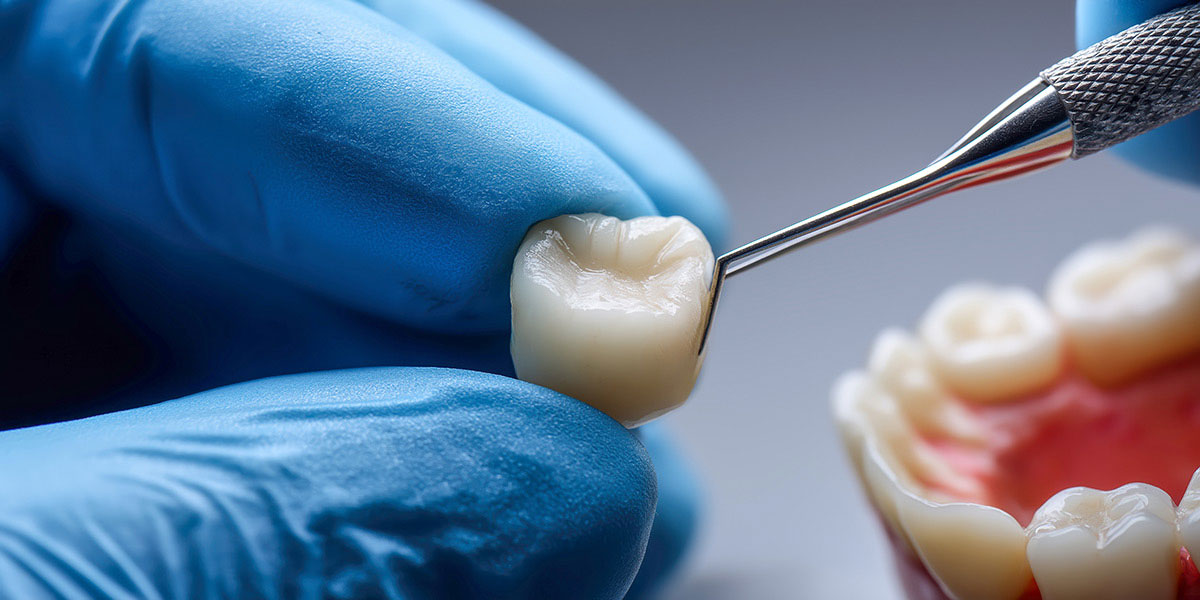

Sometimes improving or restoring a tooth requires changing more than the tooth itself. If excess gum tissue covers part of a tooth, or if a damaged area extends too close to the gumline, reshaping the surrounding tissue may provide better access and proportions. Crown lengthening in Salt Lake City is one treatment that can be used for cosmetic or restorative purposes, depending on the needs of the individual tooth and smile.
At Velux Dental, crown lengthening can be considered as part of a broader treatment plan. For some patients, the goal is to create a more balanced relationship between the teeth and gums. For others, the procedure may expose additional tooth structure so a filling or restoration can be placed more predictably. Understanding why crown lengthening has been recommended can make the treatment feel much less mysterious.
What Is Crown Lengthening?
Crown lengthening is a dental procedure that adjusts gum tissue, and in selected cases supporting bone, to expose more of the natural tooth.
The word "crown" in this context refers to the visible portion of the natural tooth, not necessarily a dental crown restoration. By repositioning the gumline, the dentist can reveal more tooth structure.
The procedure may be performed around one tooth or several teeth. The treatment area depends on whether crown lengthening is being used to support restorative dentistry, improve gum symmetry, or accomplish both goals.
Why Would a Dentist Recommend Crown Lengthening?
Crown lengthening generally falls into two broad categories: restorative and cosmetic.
Restorative Crown Lengthening
A tooth may be damaged in an area that extends beneath or very close to the gumline. For example, decay or a fracture can leave too little accessible tooth structure for a restoration to fit predictably.
In that situation, crown lengthening may expose more healthy tooth so the dentist has adequate access for restorative treatment.
The procedure can also help create a better relationship between the edge of a restoration and the surrounding gum tissue.
Cosmetic Crown Lengthening
Some people naturally have teeth that appear relatively short because more of the enamel is covered by gum tissue.
If excess gum tissue creates an uneven or disproportionate appearance, crown lengthening may be used to reshape the gumline and reveal more of the natural teeth.
The goal is not to create an identical smile for every patient. Rather, treatment is planned around the proportions of your own teeth, gums, lips, and facial features.
What Does a "Gummy Smile" Mean?
The phrase "gummy smile" is commonly used when a relatively large amount of gum tissue shows above the upper teeth while smiling.
There is no single definition of what a smile should look like, and displaying gum tissue is not inherently unhealthy. Some people simply prefer a different balance between visible teeth and gums.
When cosmetic crown lengthening is being considered, your dentist evaluates whether excess gum tissue is actually responsible for the appearance. Tooth position, tooth size, lip movement, jaw relationships, and other factors can also influence how much gum tissue is visible.
Therefore, crown lengthening is only one potential option and should be recommended when it matches the underlying cause.
Benefits of Crown Lengthening in Salt Lake City
Depending on the reason for treatment, crown lengthening in Salt Lake City can provide several practical and cosmetic advantages:
- Greater access to damaged tooth structure: Exposing additional tooth can make certain restorative procedures more predictable.
- Improved restoration support: The dentist may gain more healthy tooth structure to work with when planning a filling or crown.
- More balanced gum contours: Cosmetic treatment can create a smoother relationship between the teeth and gumline.
- More visible natural enamel: Removing or repositioning excess tissue can reveal tooth structure that was previously covered.
- Customized smile proportions: Treatment can be planned around the patient's existing teeth and facial features.
- Support for future cosmetic treatment: Crown lengthening may be incorporated into a larger smile makeover when appropriate.
- A clearer restorative foundation: Treatment can help address areas where decay or fractures extend close to the gumline.
The benefits depend on the reason the procedure is recommended. A patient undergoing crown lengthening for a fractured tooth may have very different goals from someone pursuing cosmetic gum reshaping.
How Is Crown Lengthening Planned?
Planning begins with a dental examination. Your dentist evaluates the tooth or teeth involved, gum tissue, supporting bone, bite, and the treatment that may follow.
If the procedure is part of a cosmetic plan, smile proportions and neighboring gum levels are also considered. Treating one small area without considering the surrounding teeth could create an uneven appearance, so the entire visible region may need to be assessed.
Dental X-rays may help evaluate the bone and tooth roots when necessary.
If you are considering several cosmetic changes together, Velux Dental's smile makeover services can combine appropriate procedures into one coordinated treatment plan.
What Happens During Crown Lengthening?
The exact procedure varies according to the amount of tissue being adjusted and the relationship between the gumline and supporting bone.
Local anesthetic can be used to keep the treatment area comfortable. The dentist then carefully reshapes or repositions gum tissue to expose the planned amount of tooth structure.
In certain cases, a small amount of supporting bone may also need adjustment to create an appropriate and stable gumline.
Once the desired contour is established, the area is managed for healing according to the specific procedure performed.
Your dentist will provide instructions about oral hygiene, eating, medications, and follow-up visits.
Is Crown Lengthening the Same as Gum Contouring?
The terms can overlap, but they are not always identical.
Cosmetic gum contouring often focuses primarily on reshaping excess gum tissue to improve visible proportions. Crown lengthening may involve a more detailed assessment of the relationship between the gumline, tooth structure, and underlying bone.
In restorative cases, the purpose is not simply cosmetic. The dentist may need additional accessible tooth structure to repair decay, a fracture, or another problem.
The best terminology matters less than understanding what tissue will be adjusted and why the procedure is recommended in your specific case.
Can Crown Lengthening Help Before a Dental Crown?
Yes. One restorative reason for crown lengthening is to provide adequate exposed tooth structure before a dental crown is placed.
For example, if a tooth breaks very close to the gumline, there may not initially be enough accessible structure for a restoration to fit as planned.
Crown lengthening can expose additional healthy tooth so the restorative margin can be positioned appropriately.
If a full-coverage restoration is needed afterward, Velux Dental also provides same-day crowns and bridges for suitable cases.
The timing between crown lengthening and final restoration depends on the treatment area and healing needs.
Can Crown Lengthening Be Part of a Veneer Treatment Plan?
It can be. When teeth appear short partly because of excessive gum coverage, adjusting the gumline before veneers may create more balanced proportions.
However, not every veneer patient needs crown lengthening. Some teeth already have an appropriate gumline and only need changes to color, shape, or surface appearance.
Velux Dental offers porcelain and zirconia veneers for patients considering customized cosmetic treatment.
A coordinated plan helps ensure that gum shape and tooth restorations are designed to complement one another rather than being treated as unrelated procedures.
What Is Recovery Like After Crown Lengthening?
Healing experiences vary depending on how extensive the procedure is.
Your gums may feel tender afterward, and some swelling can occur. Follow the specific instructions provided by the dental team regarding cleaning, eating, and any recommended medications.
During early healing, softer foods may be more comfortable. Avoid repeatedly touching or disturbing the surgical area.
You may receive instructions for cleaning areas that cannot initially be brushed in the normal way. Follow those directions carefully so you can keep the mouth clean without irritating healing tissue.
Attend scheduled follow-up visits so the dentist can evaluate healing and determine when additional restorative or cosmetic treatment can proceed.
How Long Does the Gumline Take to Settle?
The surface tissues begin healing relatively quickly, but the gumline can continue changing as deeper tissues mature.
That is particularly important when crown lengthening is being completed before a highly visible restoration. Your dentist may want the gum contour to stabilize before finalizing the shape and margins of veneers or crowns.
The appropriate waiting period depends on how much tissue was changed, whether bone was adjusted, the location of the tooth, and your individual healing response.
Rather than focusing on one universal timeline, follow the schedule recommended for your specific procedure.
Will Crown Lengthening Make Teeth Sensitive?
Temporary sensitivity can occur because more tooth structure may be exposed after treatment.
Cold foods, drinks, or air may feel different during the adjustment period. Your dentist can recommend strategies for managing sensitivity if necessary.
If sensitivity is severe, worsening, or persistent beyond what you were told to expect, contact the dental office for an evaluation.
In restorative cases, sensitivity may also be influenced by the condition of the tooth itself, especially if decay or fracture was already present.
Can the Gum Tissue Grow Back?
The goal of crown lengthening is to establish a stable new gum position, but oral tissues can change as they heal.
Careful treatment planning considers the biological relationship between the gum tissue, bone, and tooth. This is one reason simply trimming visible tissue without evaluating deeper structures may not produce a predictable result in every case.
Your dentist will monitor healing and determine when the gumline has stabilized sufficiently for any additional treatment.
Who May Not Be an Ideal Candidate?
Crown lengthening is not appropriate for every tooth or every cosmetic concern.
If exposing more tooth would create an unfavorable relationship between the crown and root, compromise support, or produce an undesirable result, another treatment may be recommended.
Active gum disease may also need to be managed before elective cosmetic treatment.
In some restorative situations, the remaining tooth may simply be too damaged to predictably save. Your dentist can explain whether crown lengthening offers a reasonable path or whether another option would be more appropriate.
How Do You Care for Your Gums After Treatment?
Follow the instructions given specifically for your procedure. During early healing, the dental team may recommend modifications to normal brushing and flossing around the treated area.
Once you are cleared to resume regular oral hygiene, careful plaque control is important for maintaining healthy tissue around the newly established gumline.
Continue regular preventive visits as recommended. Your dental team can monitor the tissue and any restorations placed after healing.
Frequently Asked Questions About Crown Lengthening
Is crown lengthening only cosmetic?
No. Crown lengthening can be performed for cosmetic reasons, restorative reasons, or both. It may reshape an uneven gumline or expose additional tooth structure needed for a restoration.
Does crown lengthening make the actual tooth longer?
The procedure does not grow new tooth structure. Instead, it exposes more of the natural tooth by repositioning surrounding gum tissue and, when necessary, supporting bone.
Can crown lengthening be done on one tooth?
Yes. A single tooth can be treated when there is a localized restorative need. Cosmetic cases may involve several teeth to create balanced gum contours.
Will I need a crown after crown lengthening?
Not always. Some patients undergo crown lengthening for cosmetic gum reshaping. Others need it specifically to prepare a damaged tooth for a crown or another restoration.
How do I know whether crown lengthening is right for me?
A dental examination is necessary to evaluate the tooth, gum tissue, supporting bone, bite, and treatment goals before recommending crown lengthening.
Create the Right Foundation for Your Smile
Crown lengthening in Salt Lake City can serve two important purposes. It may improve the balance between visible teeth and gums, or it may expose additional tooth structure so restorative dentistry can be completed more predictably.
If you have been told that a tooth needs crown lengthening, or you want to learn whether gum reshaping could fit your cosmetic goals, contact Velux Dental at (801) 797-3363 to Schedule a Consultation at 223 S 700 E #3 in Salt Lake City. A personalized evaluation can determine whether crown lengthening belongs in your treatment plan.